February 14, 2025, Chișinău – CND SRL, a start-up from Moldova, has created a revolutionary biodegradable thermal insulation material from industrial and agricultural waste. This eco-friendly solution reduces environmental impact and replaces traditional insulation materials, which are often harmful to the environment.
At the Moldova Eco Energetică 2024 Gala, CND SRL was awarded a $10,000 grant through the GCIP Moldova program. This funding will help the company expand its production and bring innovation to the market, offering a sustainable alternative for the construction industry. The biodegradable insulation is made from plant materials and industrial waste.
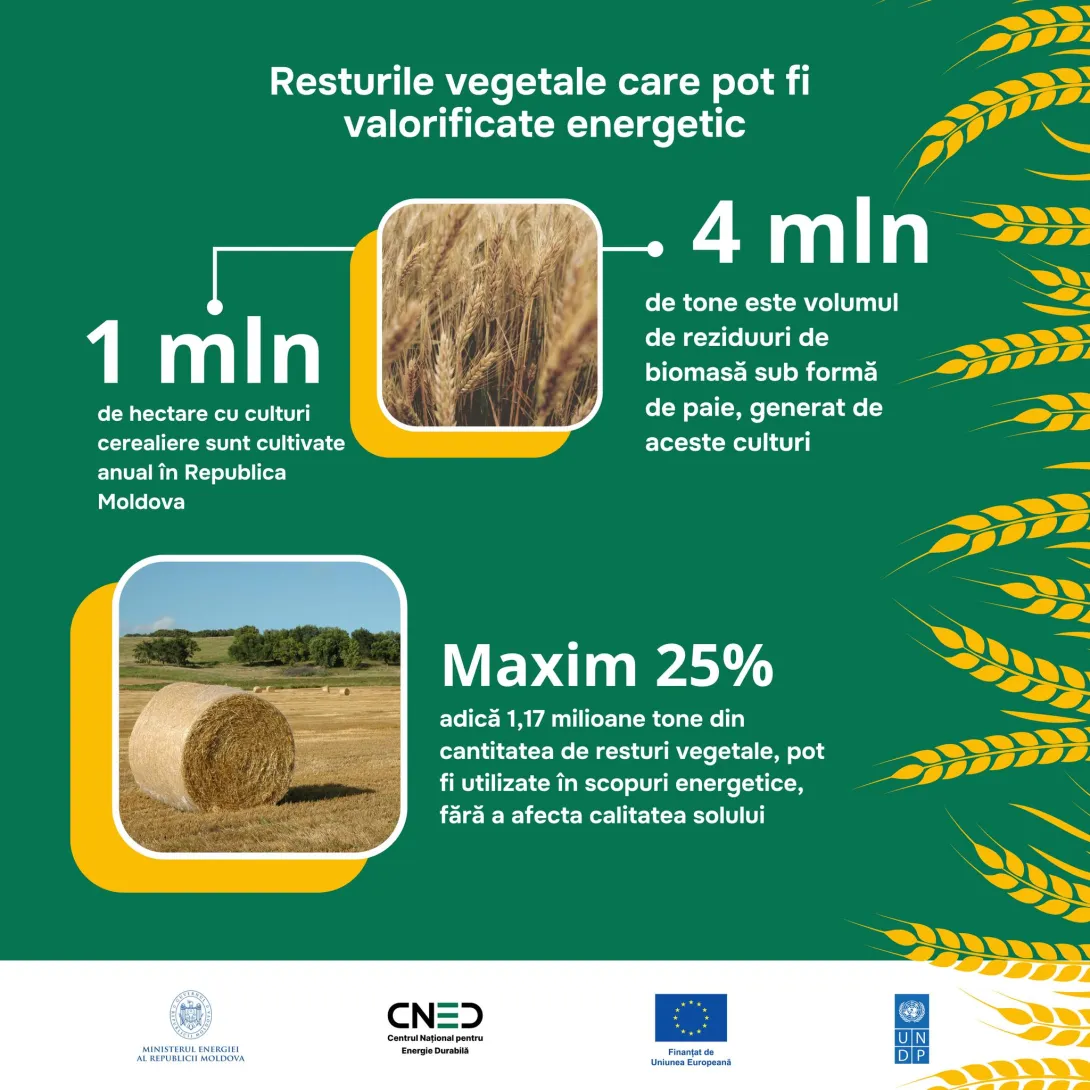
“Right now, we have a major problem with building insulation. Synthetic plastic materials and stone-derived materials are used, which are non-biodegradable. We thought we could create high-quality thermal insulation from what we have in Moldova. We can use straw, branches, hay, and other materials, transforming them into thermal insulation and using mushroom-growing technology, employing mycelium to grow the insulation. We can produce it locally and insulate buildings, both residential and public. It can even be used for packaging,” explained Nicolae Covalenco, deputy director of CND.
The environmental impact is significant, as this product consumes little electricity and water compared to conventional market products. Additionally, the technology used by CND SRL helps reduce the amount of non-biodegradable waste, offering an eco-friendly alternative for construction and other industries.
“The Moldova Eco Energetică competition is very important. First of all, it encourages entrepreneurs who strive for innovation. The path of innovation is indeed difficult, but the results can be extremely valuable and significant. The biggest obstacles were at the idea stage. The insulation we developed, after buildings are demolished in 20-30 years, will end up in the soil and turn into fertilizer for plants. This way, we won’t have massive plastic waste,” added Covalenco.