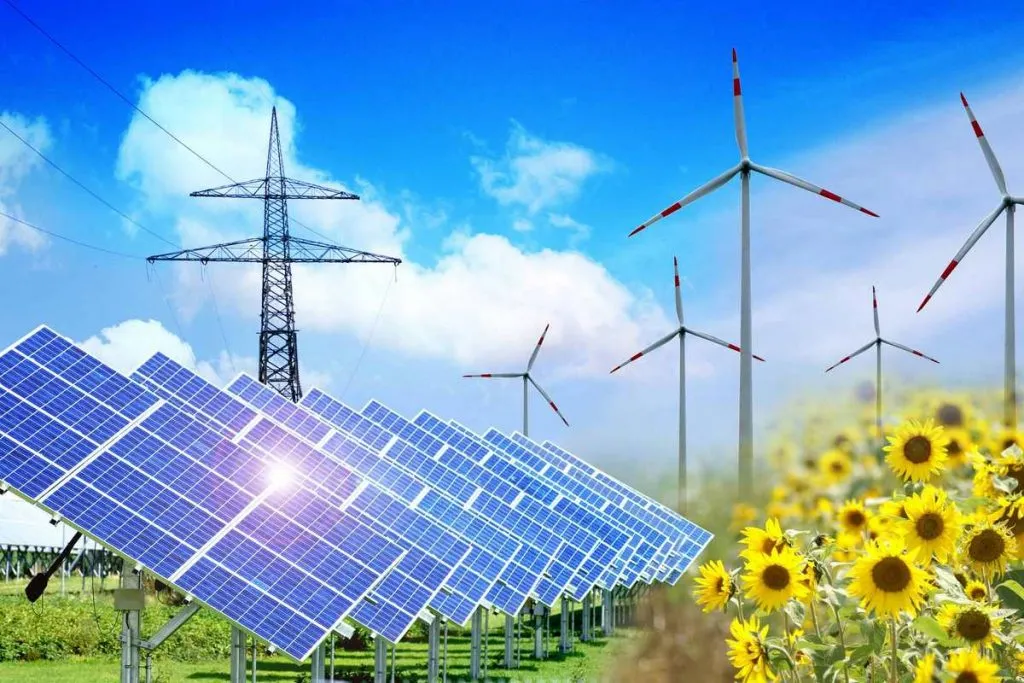
The Republic of Moldova aims to increase the share of renewable energy in the energy mix to 40% by 2030, using wind, solar, hydro, and biomass energy.
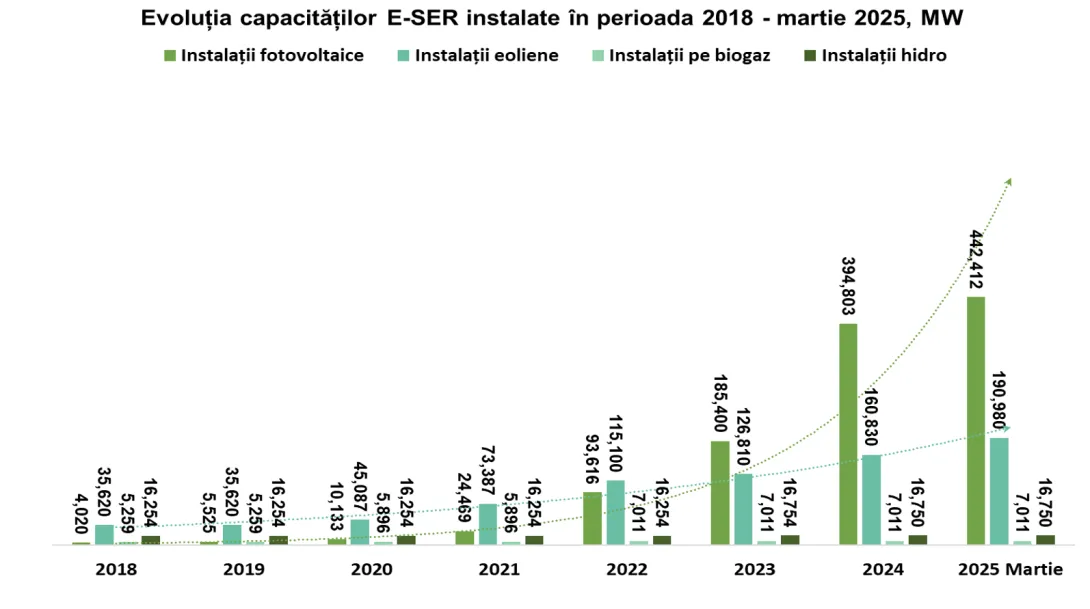
Since 2018, the capacity of renewable energy sources has increased significantly from 61.6 MW to 206.8 MW by 2022, but this is still insufficient to significantly influence the overall energy balance of the country. As of January 2023, the largest capacities are observed in wind energy (115.1 MW, 56%), solar energy (60.13 MW, 29%), hydro energy (16.25 MW, 8%), and biogas (15.33 MW, 7%).
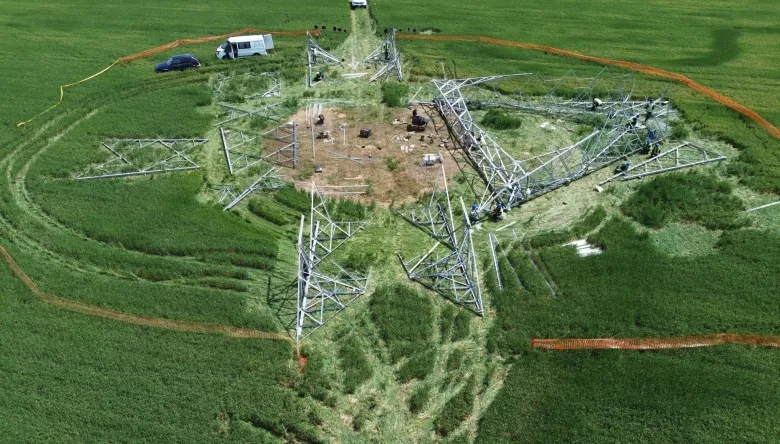
To achieve the government's goals, including increasing capacity by 410 MW, with a focus on wind and solar energy, several key measures have been developed. These include modernizing the electrical grid infrastructure for integrating renewable energy, creating conditions for the development of distributed energy communities, and encouraging local-level energy trading. The government also plans to develop infrastructure for electric vehicles, including charging stations, and provide financial incentives for their acquisition.
To support renewable energy, investments will be encouraged through subsidies and other forms of support for developers and investors, and innovative technologies will be introduced in the energy sector.
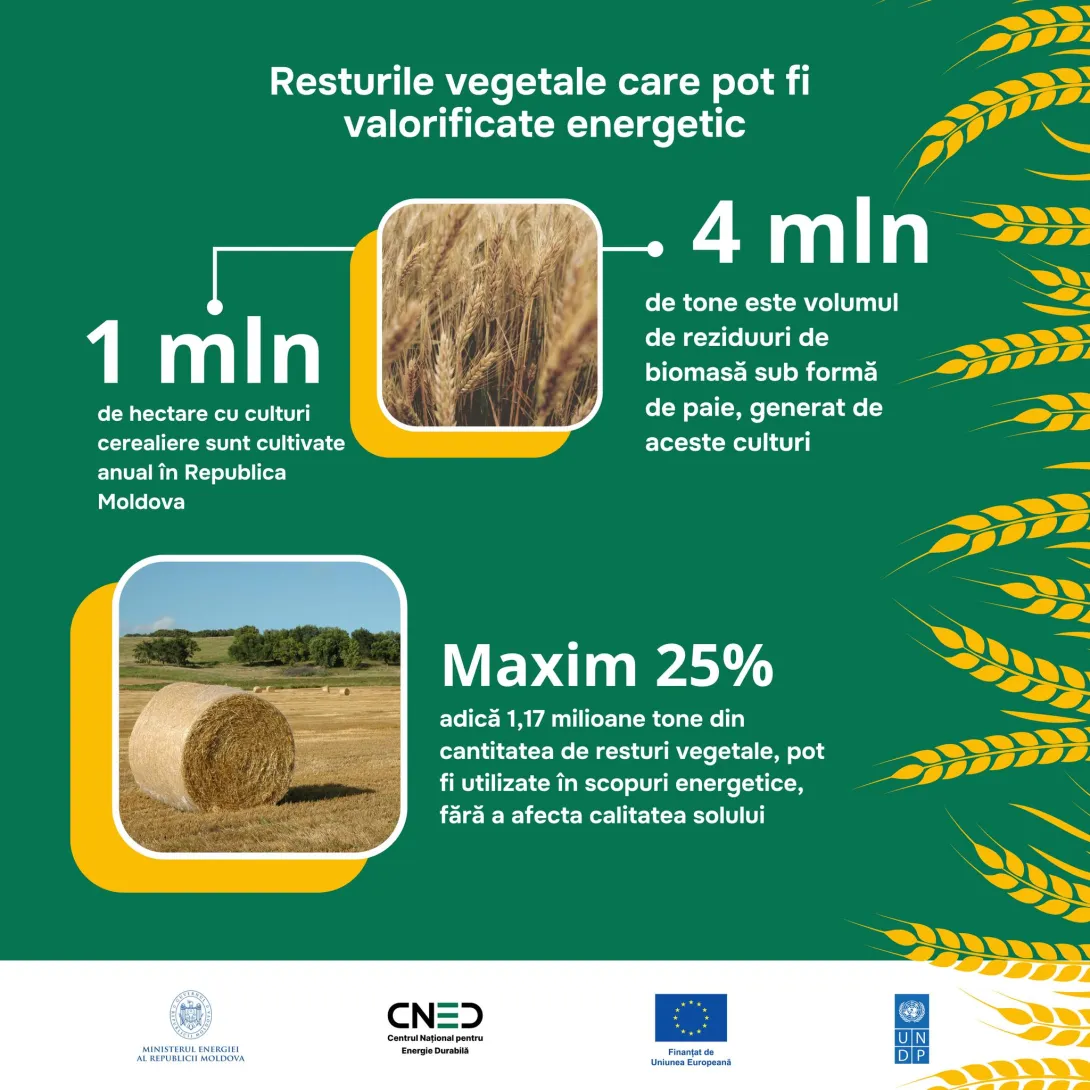
An important area is the development of infrastructure for transporting and integrating renewable energy, including distribution networks and energy storage systems, as well as encouraging the use of renewable sources in various sectors such as transport, heating, cooling, and electricity generation.